
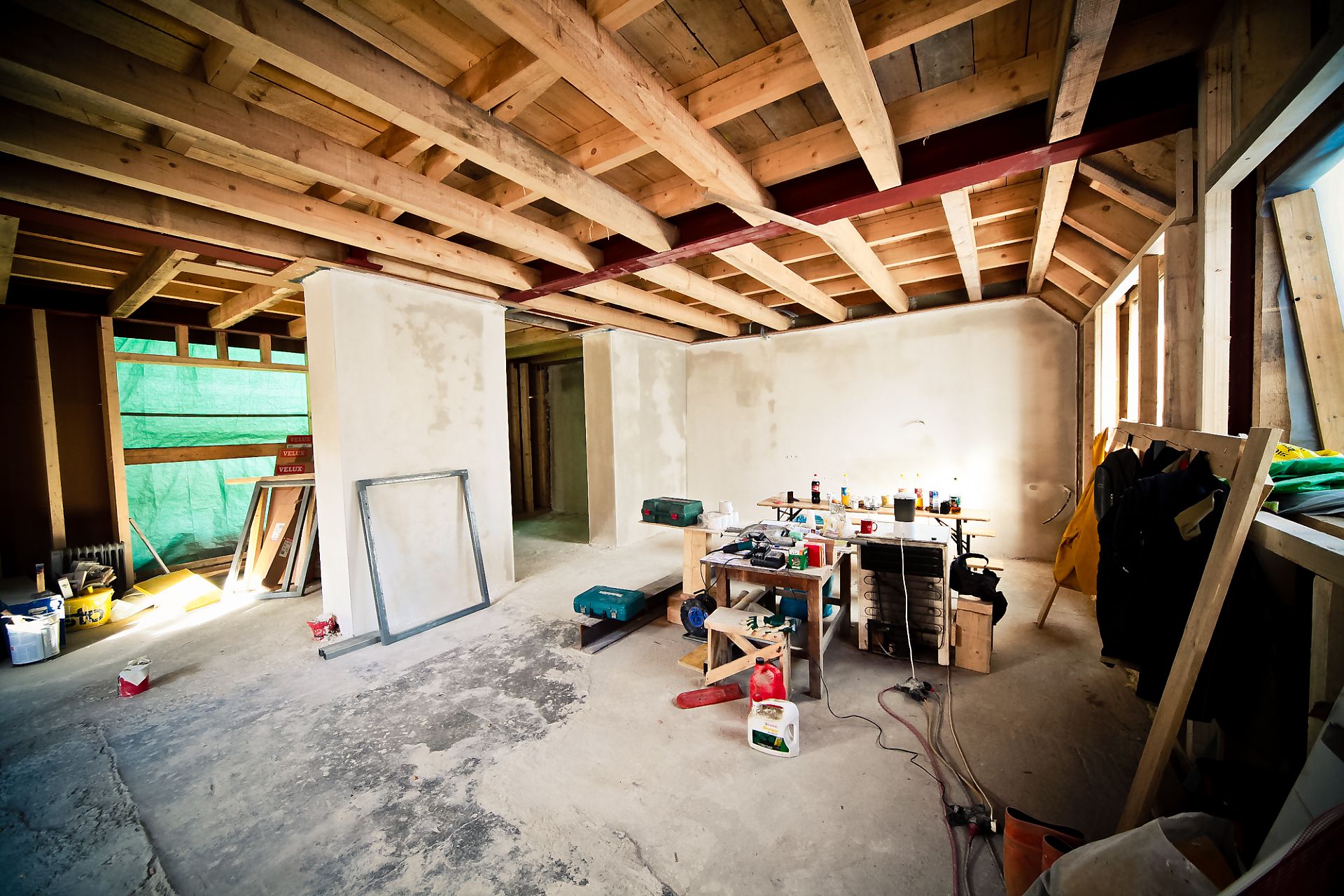
Certified passive attic conversion of a typical building from the period around 1900
Short Description
Status
completed
Summary
Ambition
This project was supposed to show that the passive-house concept as well as the plus-energy concept are applicable for attic reconstruction of the founding period. To open this concept for a wider public individual apartments will be available for rent (www.passivhausapartments.com).
A further aim of this research project is the documentation of the planning process as well as the introduction of the appointed technologies and materials to facilitate such building projects in the future.
Content and methodology
Long years of experience could be drawn back on in the planning process of this project. The energetic construction of the attic was calculated via PHPP. Additional insights of current research projects were included to achieve the plus-energy standard.
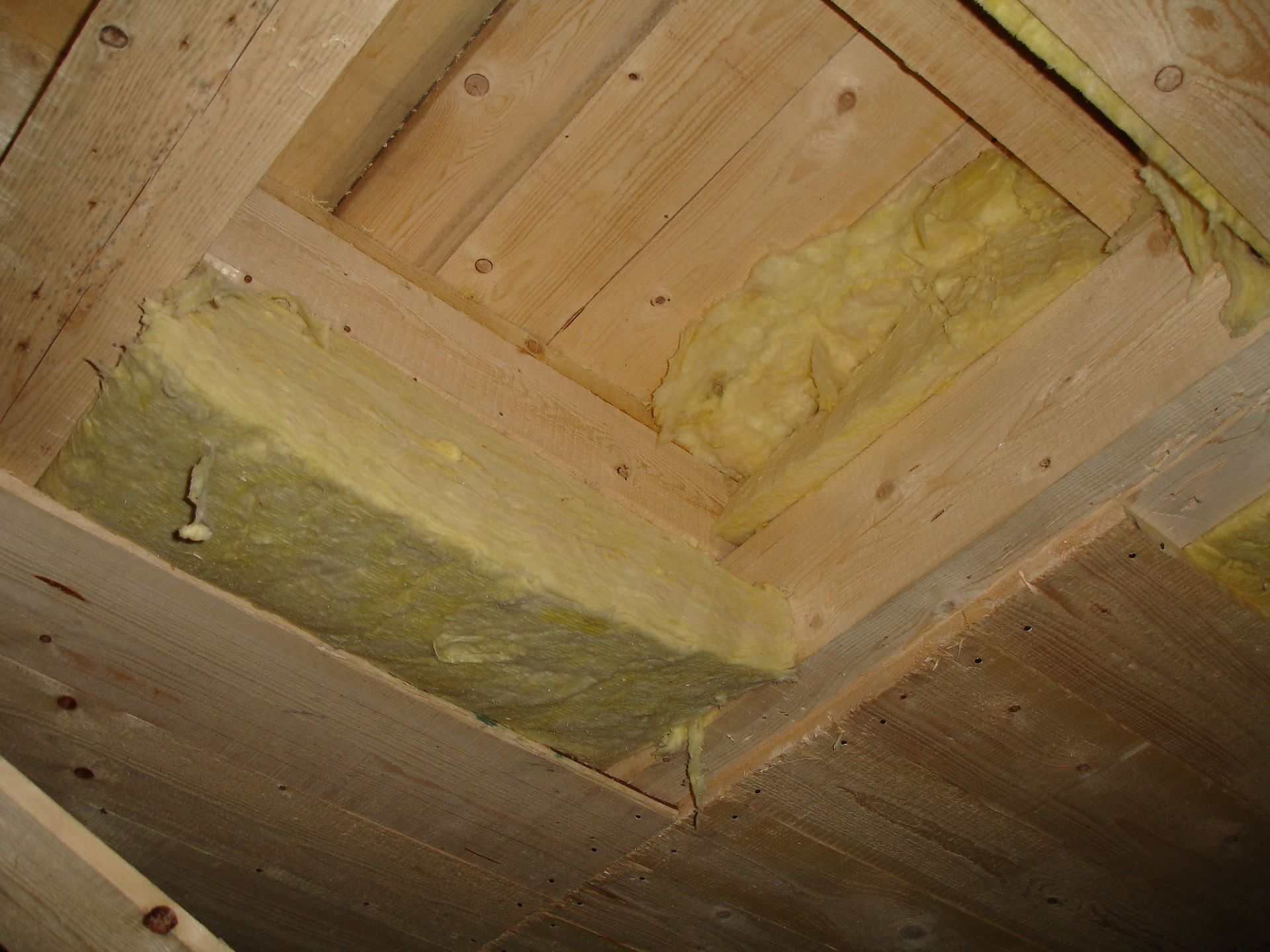
Although the demand on the thermal quality of the external construction was quite high, the details were kept simple to facilitate the repetition of this project.
The technical concept of the attic contents an air ventilation system with heat exchanger. Heating and cooling works through structural element activation which will be provided by air-water heatpump as well as a solar system with bumper. A 13kWp photovoltaic system was installed to achieve the plus-energy standard.
A specifically targeted range of all the in the attic used electronic devices keeps the energy use very low and illustrates a key point in the achievement of the plus-energy standard.
Results and conclusions
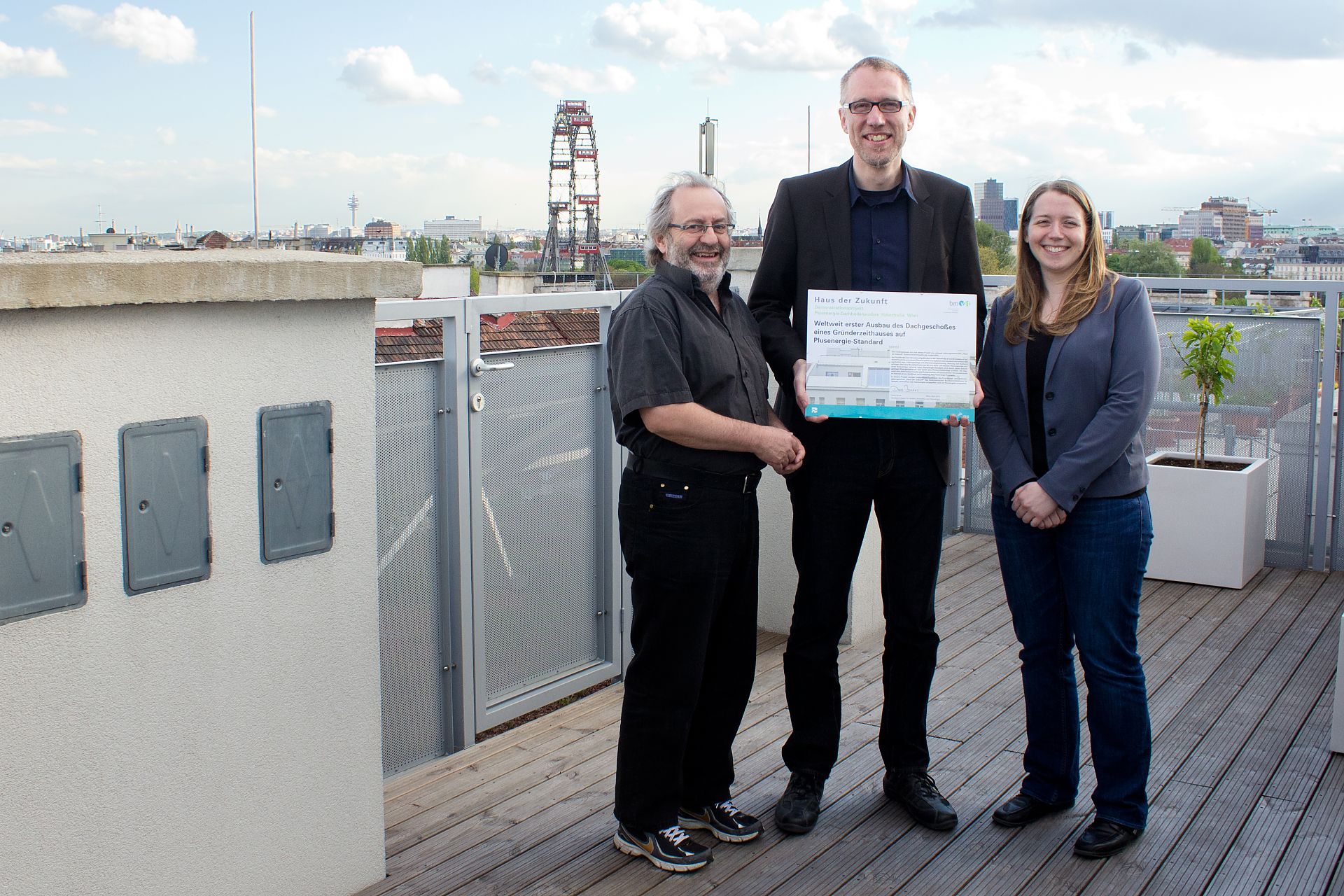
The projects has demonstrated that high efficient building concepts are applicable for areas such as attic reconstructions. Not only was the passive-house standard obtanined, through the energy generation the plus-energy standard could be achieved.
The project has demonstrated that in different concepts for attic heating, in order to achieve the passive-house standard, between 4 % and 10 % of the building costs of a conventional attic reconstruction have to be invested.
In heating through supply air additional costs in the range of approximately 82 Euro/m²EBF are possible. The actual construction with thermal activation of structural elements causes additional cost of approximately 213 Euro/m²EBF. Additional investments of around 100 Euro/m²EBF are necessary (prices of 2011). This corresponds to approximately 5 % of the building costs of a conventional attic reconstruction.
Project Images
Terms of use: The pictures listed underneath the header “Project Pictures” originate from the projects in the frame of the programmes City of Tomorrow, Building of Tomorrow and the IEA Research Cooperation. They may be used credited for non-commercial purposes under the Creative Commons License Attribution-NonCommercial (CC BY-NC).
Project Partners
Project management
DI Helmut Schöberl
Schöberl & Pöll GmbH
Project collaborator
DI Simon Handler
Contact Address
Schöberl & Pöll GmbH
DI Helmut Schöberl
Ybbsstraße 6/30, 1020 Wien
Tel.: +43 (1) 726 45 66
Fax: +43 (1) 726 45 66-18
E-Mail: office@schoeberlpoell.at
Web: www.schoeberlpoell.at